

Vacuum Sealer Bag Buying Guide: How to Choose More Durable and Compatible Vacuum Sealer Bags?
Release time: 2025-11-21
Table of Contents
In today’s increasingly popular trend of food storage and home preservation, vacuum sealer bags have become an essential kitchen tool. Whether for freezing meat, marinating ingredients, or long-term storage of dry goods, coffee beans, and pre-made meals, a durable, airtight vacuum sealer bag compatible with multiple vacuum sealer models can significantly extend food preservation time and reduce oxidation, mold, and freezer burn. So, among the many brands and models, how do we choose a vacuum sealer bag that’s truly right for us? Inpack has compiled a buying guide to help you make a quick decision.
Understanding the Common Types of Vacuum Sealer Bags
Currently, there are three main types of vacuum sealer bags on the market:
Flat Bags:
Suitable for industrial food packaging, offering good sealing, but with weaker compatibility with home vacuum sealers.
Embossed Vacuum Sealer Bags:
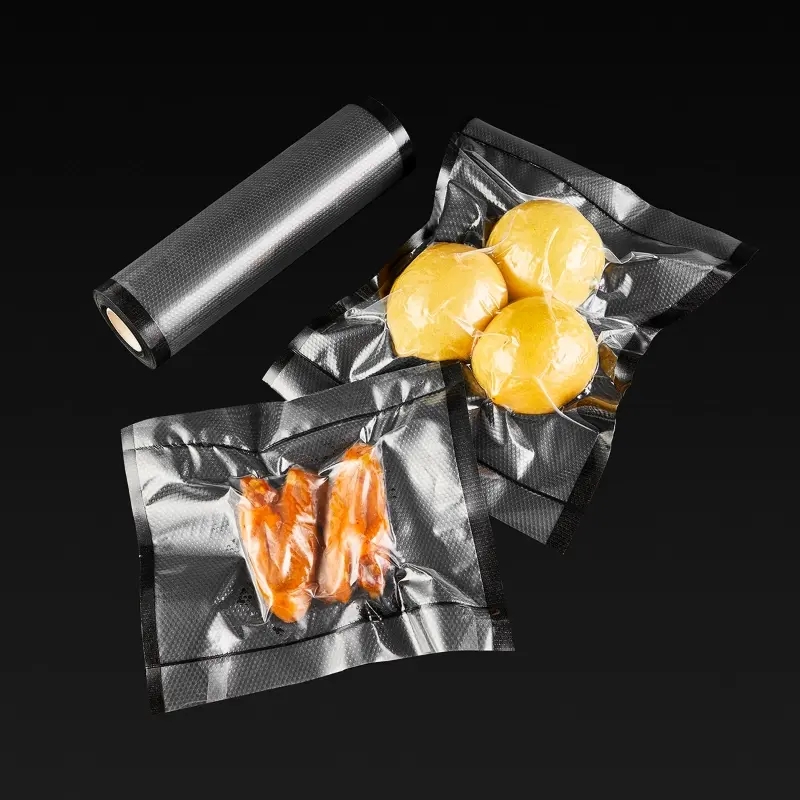
The textured design facilitates air extraction, making them the most commonly used type for home vacuum sealers and compatible with most brands.
Vacuum Sealer Bag Rolls:
Can be cut to size according to the food item, offering high flexibility, suitable for large-scale storage or commercial use.
If you are using a home vacuum sealer, choosing an embossed vacuum sealer bag will generally be more convenient.
Key Indicators for Choosing Vacuum Sealer Bags
Thickness and Durability (Mil/Gauge)
Higher thickness means stronger puncture resistance, suitable for storing bone-in meats or hard ingredients.
For everyday home use, 3-5 Mil is recommended; for commercial use or long-term frozen storage, choose a thicker option.
Food-Grade Safe Material
Prioritize BPA-Free, non-toxic PE+PA structured materials to ensure safer food storage.
Wide Temperature Range
Suitable for freezing, water bath heating, and sous vide cooking, a temperature range of -20℃ to 100℃ is ideal.
Compatibility and Versatility
Look for product descriptions that include phrases like “Compatible with most vacuum sealer machines” for higher compatibility and to avoid poor sealing or inefficient air extraction.
When is it suitable to use Vacuum Sealer Bags?
For freezing large quantities of easily oxidized foods such as beef, chicken wings, and seafood.
For storing coffee beans, dried fruits, and spices to maintain their flavor for longer.
For preparing homemade instant meals and barbecue marinades in advance.
For carrying food during camping and outdoor activities, preventing cross-contamination of flavors.
To reduce waste in the kitchen and improve food utilization efficiency.
If you prioritize preservation and freezing durability, high-quality vacuum sealer bags are a more reliable option than ordinary food bags.
Summary
Choosing the right vacuum sealer bag can not only extend the shelf life of ingredients but also improve kitchen efficiency and reduce food waste. When purchasing, focus on the bag type, thickness, material, and compatibility with your vacuum sealer. For daily household use, we recommend textured, food-grade, and puncture-resistant vacuum sealer bags, while for commercial use and long-term freezing, consider thicker bags for better storage results.
If you are looking for durable and compatible vacuum sealer bags, compare the points above and choose according to your needs. If you have any other questions about vacuum sealer bags, please feel free to contact us. Inpack will provide you with the most professional packaging solutions.