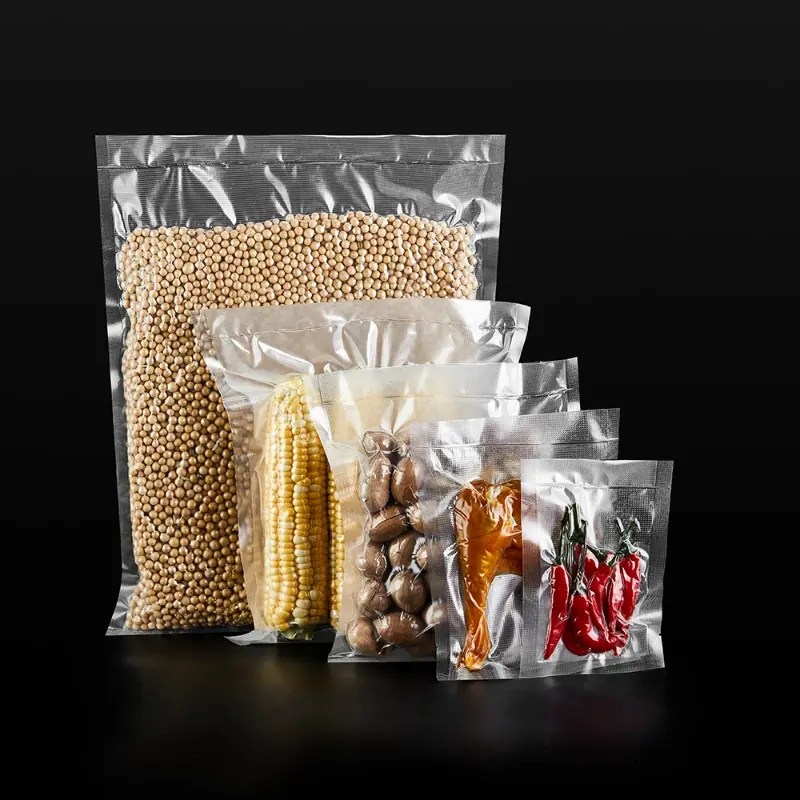
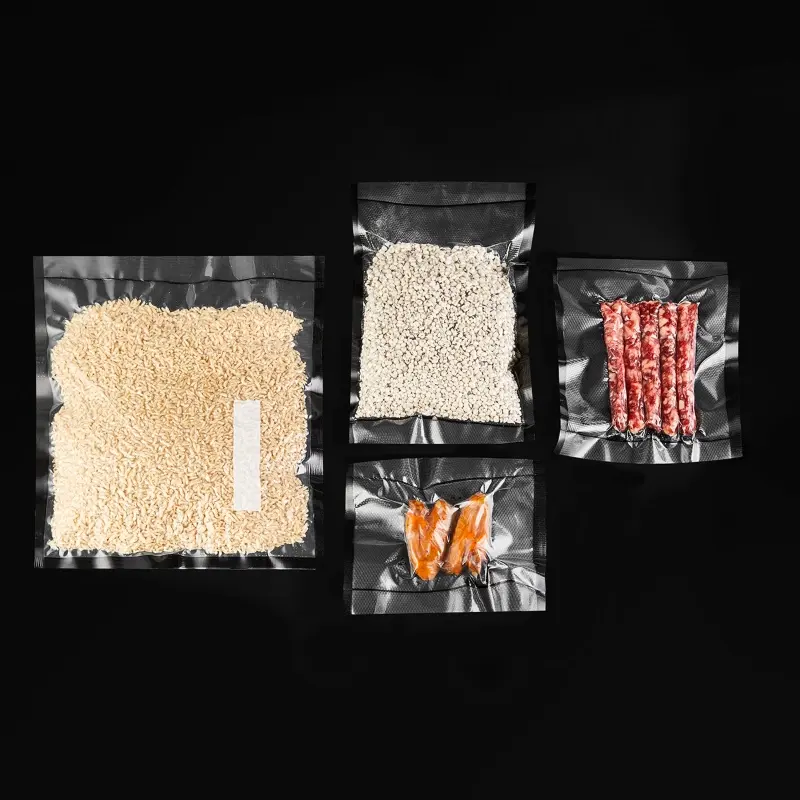
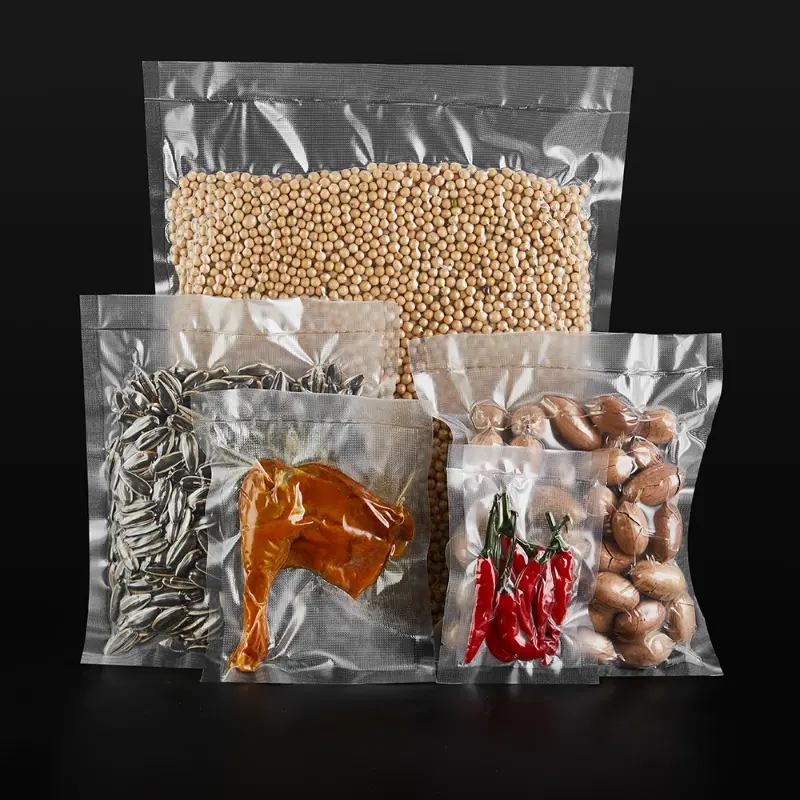
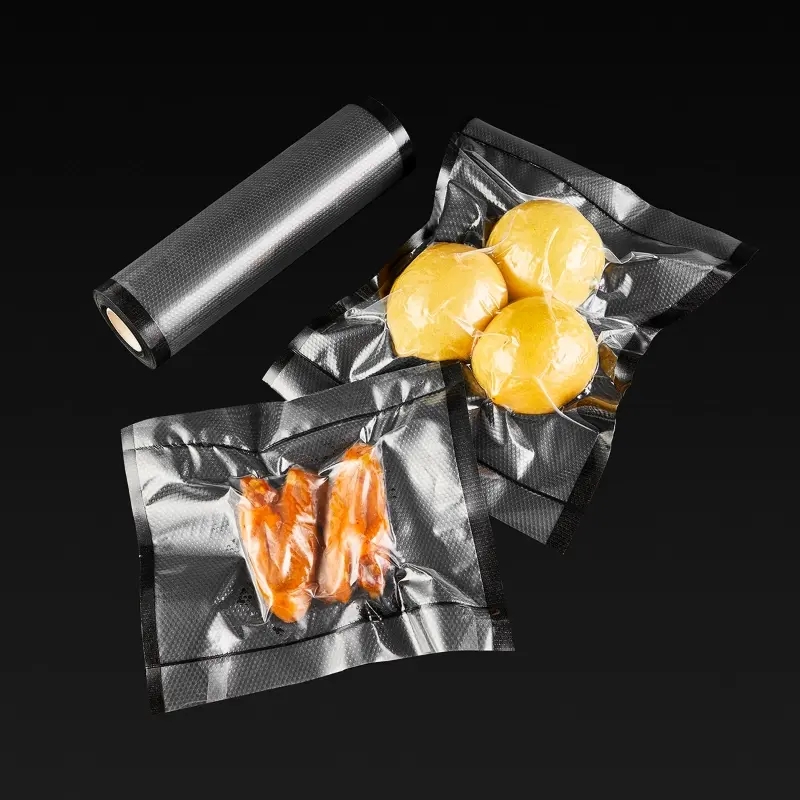
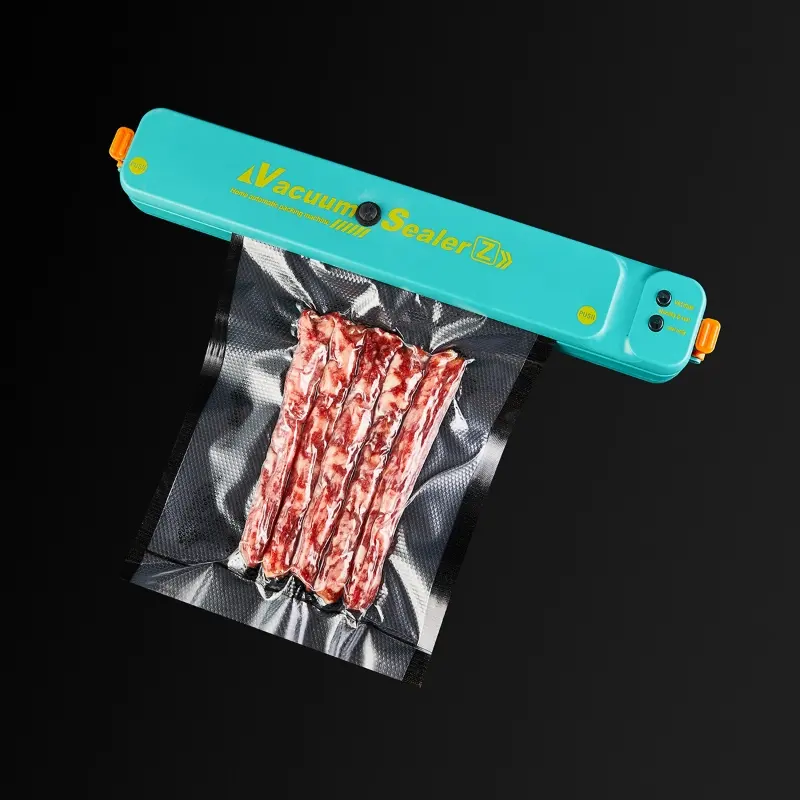
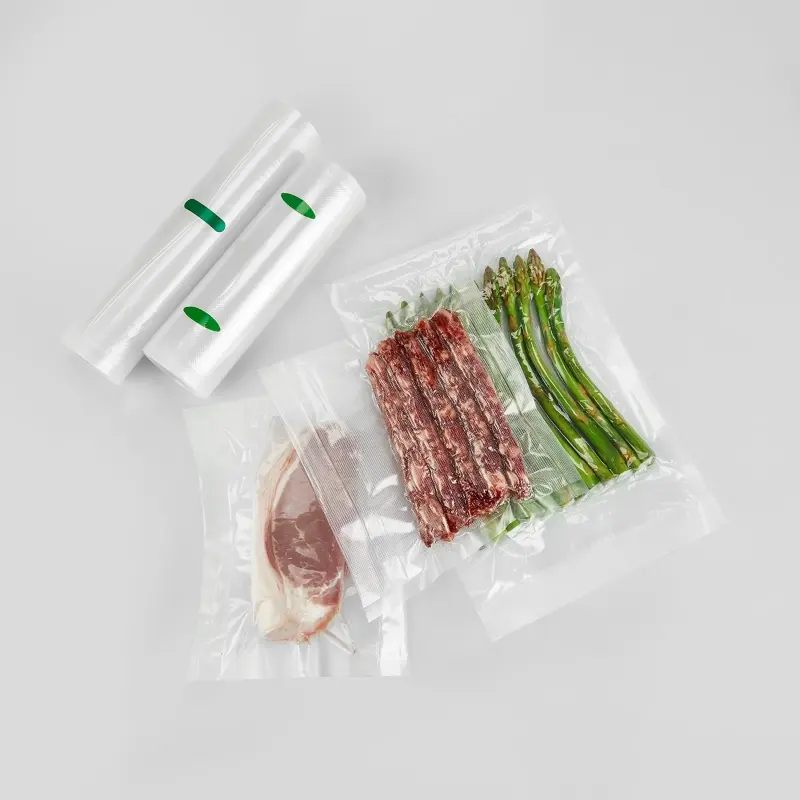
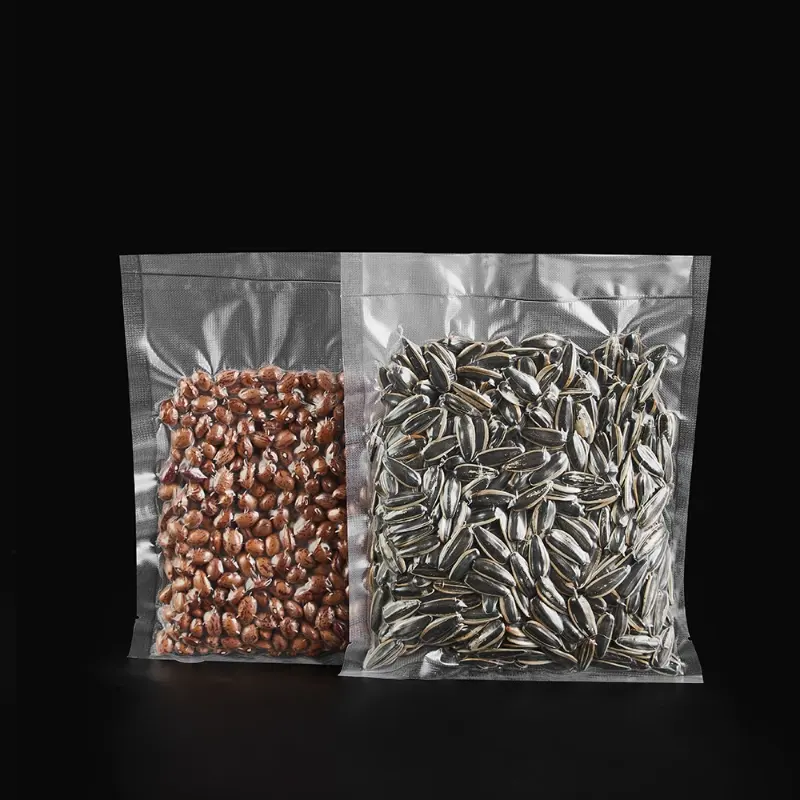
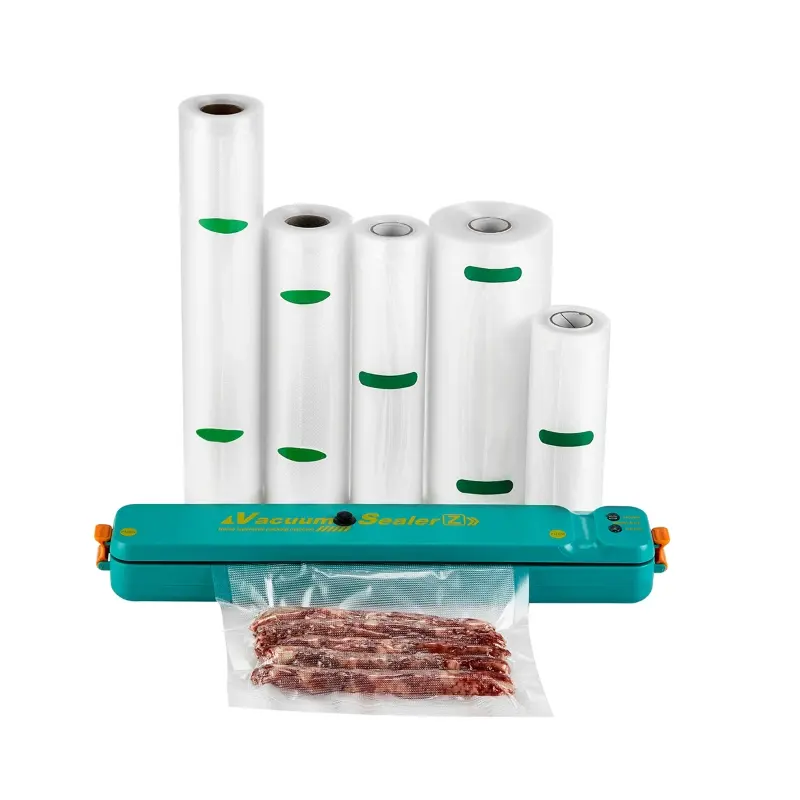
The performance and efficacy of packaging are profoundly influenced by the selection of its material structure. Choosing an appropriate material composition is critical to ensuring that the pouch meets specific requirements for durability, barrier performance, and overall integrity. Different materials contribute distinct properties, and their combination—or structure—determines the pouch’s ability to protect contents over time .
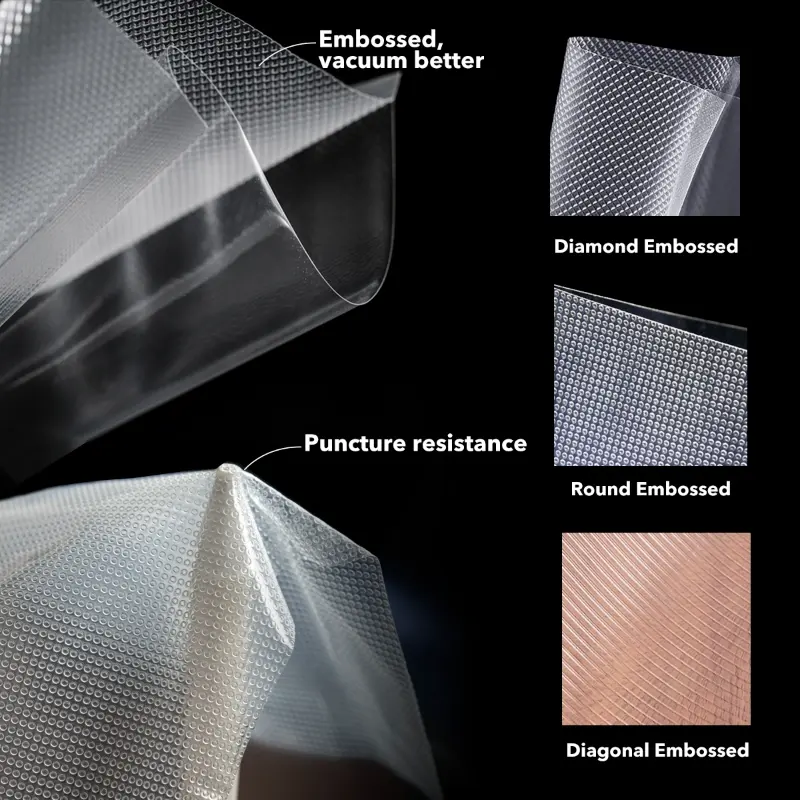
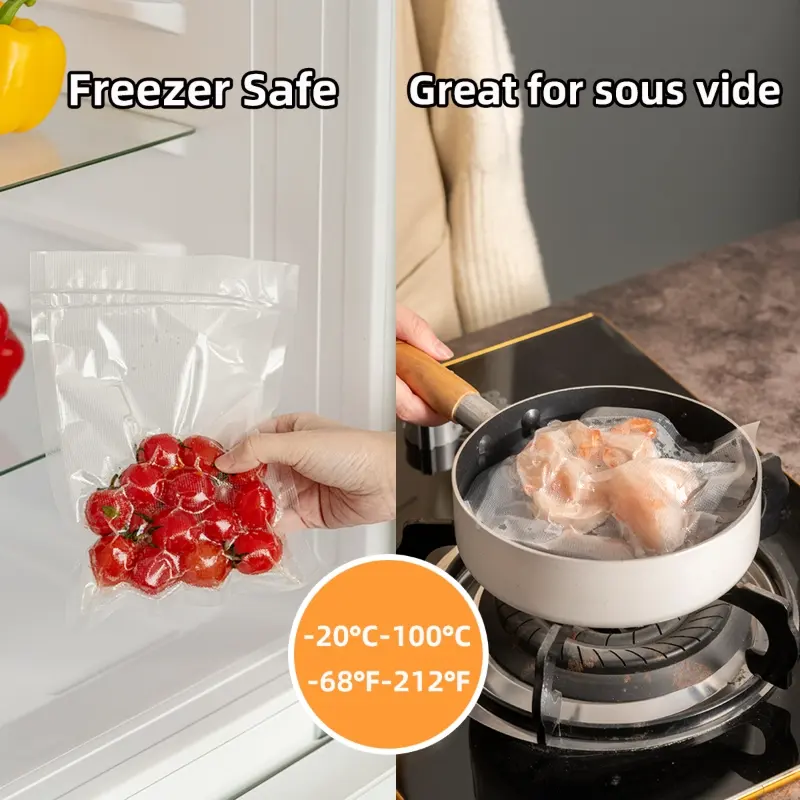
For sensitive products such as seafood and meat, extending shelf life is essential to maintain quality, freshness, and safety. A common and effective material structure for vacuum pouches in this context is NY/PE, which pairs nylon (NY, also known as PA) and polyethylene (PE). Nylon offers exceptional strength, durability, and resistance to punctures and tears, forming a robust outer layer . It also provides a good barrier against oxygen and gases, which is vital for preserving product freshness in vacuum applications . The polyethylene layer, on the other hand, contributes reliable heat-sealing capability, ensuring the pouch can be hermetically sealed to create the necessary vacuum environment. PE also adds flexibility and a moisture barrier, protecting the contents from dampness . This synergy makes NY/PE an excellent, balanced structure for vacuum pouches requiring mechanical strength and protective sealing .
Beyond NY/PE, other material structures can be employed based on the product’s specific needs. For instance, when superior barrier properties are paramount—such as for products requiring very long shelf life or protection from light and moisture—structures incorporating aluminum (AL) are highly effective. Examples include PET/AL/PE or PET/AL/RCPP (where RCPP is a cast polypropylene suitable for high-temperature retort processing) . These multi-layer laminates offer high resistance to gas, light, and moisture, making them suitable for challenging preservation environments .
The overall design and intended use of the vacuum pouches are equally important considerations. For products that might be subjected to high temperatures during processing (like retort sterilization), materials with high-temperature resistance, such as RCPP, are necessary components of the structure . Conversely, for applications where product visibility is desired, transparent materials like PA or PET become the preferred choice for the outer layer . Therefore, a careful evaluation of the vacuum pouch’s intended use—considering factors like required shelf life, barrier levels, physical stresses, and processing conditions—is indispensable. Selecting the right multi-material structure ensures that the final packaging meets all necessary criteria for performance, safety, and cost-effectiveness